Dental Implants Versus Bridge to Replace a Missing Tooth
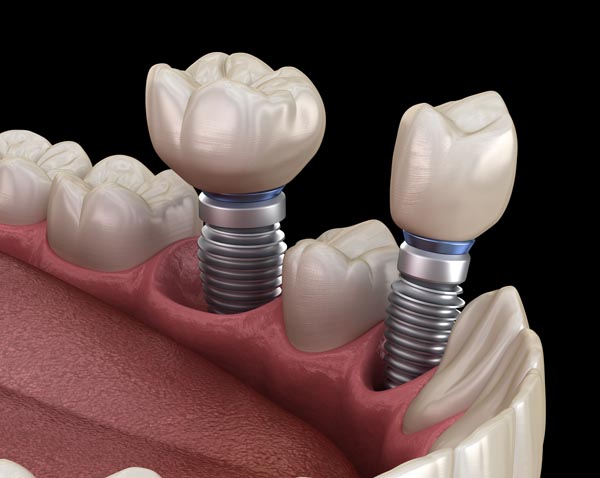
Dental implants and bridges are two of the options you get to choose from when you are missing a tooth. Both give you natural-looking replacements for missing teeth, but there are some key differences you should be aware of before picking one dental restoration over the other.
Understanding dental implants and bridges
A dental implant consists of two main parts: an implant that is placed in the patient's jawbone and a crown that is attached to the implant to serve as an artificial tooth. Bridges have a completely different design. They are made up of false teeth that are held in place by the teeth closest to the gap created by the missing tooth. These teeth are typically covered up with crowns to provide a more stable foundation.
The artificial teeth that come with either option can be color-matched to the patient's teeth. Implants are the more natural-looking option, though, since the false tooth is embedded in the patient's gums. The location of the missing teeth being replaced is one of the factors that can affect a patient's choice. For example, bridges are best used on back teeth where they are less visible since they are the less natural-looking option.
Advantages of implants over bridges
Implants are widely viewed as the preferred way to replace a lost tooth. These devices come with certain advantages that those who opt for bridges do not get to enjoy. These include:
- Keep bone tissue healthy by keeping it properly stimulated. Bridges do not have this effect since they do not replace the lost tooth's roots
- Provide a permanent solution that lasts a lifetime
- Do not hinder dental hygiene or require any special maintenance. Bridges, on the other hand, can make tasks like flossing quite difficult
Likewise, there are a few reasons why one might opt for bridges over implants. They include:
- Faster option. Patients might have to wait up to six months for the implant installation process to be complete, while it only takes a couple of dental visits within a few weeks to be fitted with customized bridges
- Bridges are the more affordable option
- The installation of bridges does not require oral surgery, making it a great option for those with health issues that make them poor candidates for surgery
The health issues associated with missing teeth
Missing teeth should always be replaced, since not doing so leaves the patient vulnerable to a variety of health issues. For starters, the remaining teeth move out of their proper alignment in an attempt to close the space made by the lost tooth. Teeth becoming misaligned makes them harder to clean, making the patient more susceptible to tooth decay and gum disease. Either issue can eventually lead to the loss of more teeth and other health issues, all because they failed to replace their missing tooth.
Explore options with us
Replacing a missing tooth has never been this easy. Stop by our Columbus office to learn more about these and other tooth replacement options.
Request an appointment here: https://www.ohiocosmeticdentists.com or call Ohio Cosmetic Dentists at (614) 503-5240 for an appointment in our Columbus office.
Check out what others are saying about our services on Yelp: Read our Yelp reviews.
Recent Posts
Studies reveal that the reasons for rushing to the emergency dentist are not clear. Many people drive to the clinic without a clear understanding of what a true dental emergency really is. Your general dentist can discuss this matter with you on your next visit. Understanding what qualifies as a dental emergency can prevent you…
It does not take much for a dental emergency to occur: For example, a baseball to the face during a weekend game can knock out a tooth, leaving you scrambling for an emergency dentist. This article examines the various methods that emergency dentists employ to provide prompt relief to patients experiencing severe dental injuries or…
No one ever plans for dental emergencies like infections, but an emergency dentist can be your first line of defense against oral bacteria looking to infect teeth, gum tissues, or your jawbone.Dental infections always require emergency dental care to prevent the infection from spreading to other parts of the body, such as the heart, where…
A missing tooth can be more than an aesthetic concern; it can significantly affect overall oral health. Beyond the visible gap, a missing tooth can cause a variety of dental issues that, if left untreated, can impact jawbone health and smile alignment. Addressing a missing tooth by consulting a general dentist helps restore appearance, function,…