Gum Grafting and The Recovery Process
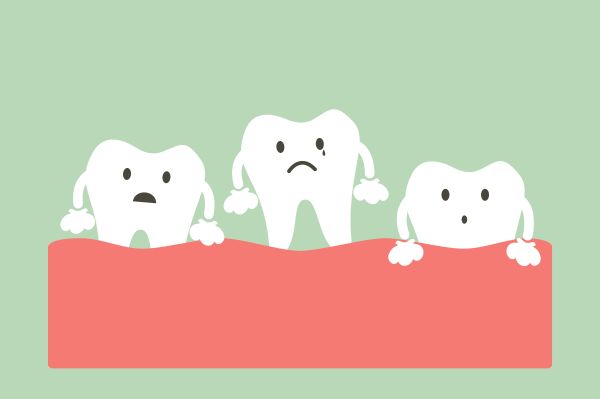
Gum grafting is a procedure that involves stitching healthy tissue onto areas in the mouth where the gums have pulled away from the teeth. The purpose of the gum tissue is to cover and protect the roots of teeth by wrapping tightly around each tooth. When the gums begin to recede, tooth roots can become exposed. Gum recession is a condition that affects many adults in the United States and beyond –– causing tooth sensitivity and even tooth loss.
What is gum grafting?
When the gums are receding, the problem only gets worse without the help of grafting. Gum recession exposes the roots of teeth, making them more susceptible to tooth decay. Gum grafting is a simple surgical procedure in which the periodontist removes a piece of tissue from the palate of the mouth, or from adjacent healthy gum tissue. The tissue is then attached to the receding gums, where it supports the existing tissue.
During the procedure
The periodontist will use local anesthesia to numb the area before any surgery takes place. The periodontist will then perform one of three predetermined types of gum grafting: a free gingival graft, a connective tissue graft and a pedicle graft.
Free gingival grafts consist of the periodontist taking a small piece of tissue from the palate (roof of the mouth) and stitching it to the area where the recession has occurred. This type of graft prevents further recession. In connective tissue grafting procedures, the periodontist will open a small flap in the roof of the mouth and remove a piece of that connective tissue for placement on the receded area. Finally, a pedicle graft is when the periodontist creates a flap of tissue next to the receded gums. Pedicle grafts are often the most successful.
After the procedure is finished, the patient will rinse his or her mouth with an antibacterial rinse to prevent any infection. At this point, the periodontist will discuss with the patient how to treat the surgical area until the wound is healed.
Recovery
Right after the procedure, patients will go home to rest. It is recommended to take the day off and not to return to normal activities until 24 hours have passed since the surgery. An antimicrobial mouthwash will likely be prescribed to avoid any infection. Any sensitivity should go away in a few days and should be manageable with an over-the-counter pain reliever such as ibuprofen.
Gum grafting procedures usually heal quickly, as long as the patient follows all instructions. During the first week after any gum grafting procedure, the patient should eat only liquid to semi-liquid foods so as not to damage the recent work. Eat liquid foods like yogurt, applesauce, blended soups within the first 3 days after surgery. Patients can introduce semi-liquid foods after the first 3 days, including soft scrambled eggs and mashed vegetables in the first week.
Getting ready for your gum grafting procedure?
Call our office today to set up an appointment with one of our highly trained dentists if you are experiencing gum recession. We can help you achieve the healthy, bright smile you want.
Request an appointment here: https://www.ohiocosmeticdentists.com or call Ohio Cosmetic Dentists at (614) 503-5240 for an appointment in our Columbus office.
Check out what others are saying about our services on Yelp: Read our Yelp reviews.
Recent Posts
Teeth brushing is one of the most important oral hygiene basics, as it removes plaque from teeth. However, the toothbrush you use can impact how effective this practice is.To optimize toothbrushing, you need to find a brush that fits your needs. Fortunately, there are many options out there.When you first learned oral hygiene basics, you…
Choosing to straighten teeth with clear aligners is a big decision, and knowing when to schedule a consultation with an Invisalign® dentist is essential. Invisalign offers a discreet and comfortable alternative to traditional braces, making it a popular choice for patients seeking orthodontic treatment. Understanding the right time to meet with a provider ensures the best…
Going to the general dentistry office may not excite you, but you can reap the benefits. Putting off dental appointments can disrupt good oral health habits and lead to serious problems. The next time you come to see your dentist, you will have a dental cleaning. This is much more than a formality. General dentistry…
Although many people believe that plaque and tartar are the same, they actually have significant differences. Understanding the distinctions between these two dental conditions can help you identify their warning signs and practice oral hygiene basics to avoid them.Plaque is a soft film containing millions of bacteria that build up on your teeth, gums, and…