 Implant dentistry is a popular form of teeth replacement due to its advantages over alternative options such as removable dentures and fixed bridges. Although dental implants are not at risk of decay, protecting natural teeth from decay remains crucial in keeping an attractive and healthy smile.
Implant dentistry and tooth decay: Here is what you should know
You can protect your natural teeth and implant dentistry restorations from tooth decay through good oral hygiene, a proper diet, avoiding (or limiting) alcohol and tobacco, and visiting the dentist for regular check-ups. This review discusses implant dentistry and tooth decay risks.
What is implant dentistry?
Implant dentistry involves the use of dental implants and dental restorations, which are usually either crowns, bridges, or complete dentures. Dental implants are small, screw-like posts that are surgically placed into the jawbone to support the replacement teeth. Implant dentistry offers unique benefits that traditional methods of teeth replacement cannot, such as the ability to preserve jawbone density, fewer dietary restrictions, and an easy time caring for your smile long-term.
Is tooth decay a risk with dental implants?
As mentioned, dental implants use either a crown, bridge, or denture restoration, depending on how many teeth are being replaced and their location. The restorations are generally made of a ceramic material that is not vulnerable to tooth decay. However, the restorations can begin to stain or become damaged due to dental trauma, bruxism, biting too hard on foods, or poor oral hygiene.
How can I protect my implant restoration?
One of the benefits of implant restorations is that they are easy to care for through good oral hygiene practices, similar to how patients can protect their natural teeth and gums. This should include brushing several times each day, flossing and using mouthwash, and avoiding foods that are high in carbohydrates (i.e., sugar). Poor lifestyle choices and hygiene habits, such as smoking and tobacco use, can increase the risk of early implant failure as well by damaging the gums and underlying jawbone (periodontal health), weakening the support of the dental implants.
How can I protect my natural teeth from tooth decay?
Unless the patient is replacing all of their teeth, their dentist will still want to do everything possible to avoid tooth decay on natural teeth. This is primarily accomplished by educating on good oral care practices and scheduling regular check-ups and cleaning visits to prevent plaque and tartar accumulation on the enamel surface. In addition, following the oral care practices recommended by the dentist on how to care for teeth between cleaning visits can help protect periodontal (gum) health as well.
Are you considering implant dentistry for tooth replacement?
Implant dentistry restorations can replace one tooth, a section of teeth, or an entire row, depending on your teeth replacement needs. If you are considering tooth replacement or want to know more about your options and the benefits of implant dentistry, call us or send us a message today.
Request an appointment or call Ohio Cosmetic Dentists at 614-503-5240 for an appointment in our Columbus office.
Recent Posts
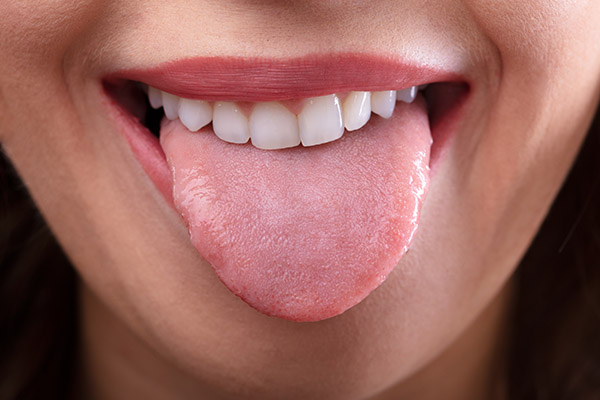
Brushing and flossing are essential oral hygiene basics that help prevent tooth decay and gum disease. While many people pay careful attention to their teeth and gums, the tongue is often neglected. However, this large surface of the mouth should also be cleaned on a daily basis. Doing so can help many people enjoy better…
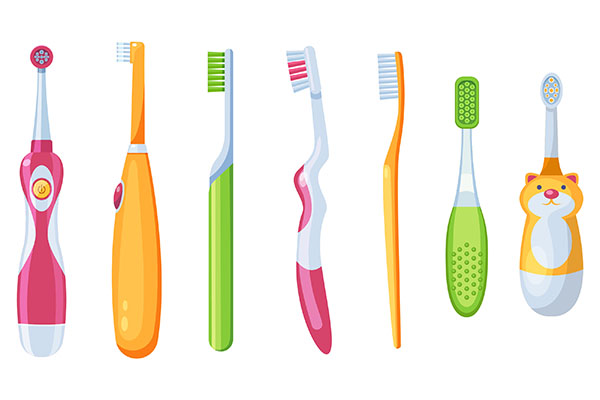
Teeth brushing is one of the most important oral hygiene basics, as it removes plaque from teeth. However, the toothbrush you use can impact how effective this practice is.To optimize toothbrushing, you need to find a brush that fits your needs. Fortunately, there are many options out there.When you first learned oral hygiene basics, you…
Although many people believe that plaque and tartar are the same, they actually have significant differences. Understanding the distinctions between these two dental conditions can help you identify their warning signs and practice oral hygiene basics to avoid them.Plaque is a soft film containing millions of bacteria that build up on your teeth, gums, and…