Understanding the Dental Filling Process
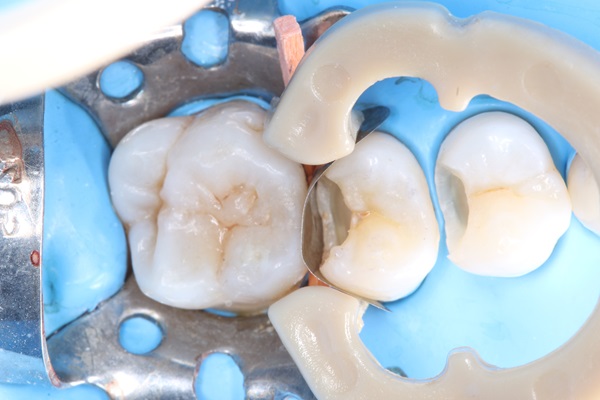
Dental fillings can restore teeth with minor fractures or cavities. Your general dentist can use them to enhance jaw functions by evening out dental surfaces. These restorations can also improve the appearance of the affected teeth. Understanding how dental fillings work can help you prepare well for your next appointment.
The consultation
This meeting is an essential first step in getting dental fillings. The dentist will inspect the affected teeth and determine the type and number of fillings the patient must receive. This type of dental repair is for mild to moderate dental damage. More severe damage may require an extraction or a dental crown.
The dentist will order dental X-rays to see underneath the gumline. The images can show the severity and location of the dental damage. Many materials are available for dental fillings. The dentist will discuss each and recommend the most suitable one for the patient’s needs. Factors that will impact this decision include the location of the affected tooth. The patient’s preference and budget also count.
The procedure
Numbing the area of the affected teeth will come first. This step will make the procedure painless and comfortable for the patient. Preparing the teeth will follow. The dentist may use a laser or a hand-held tool to remove the damaged parts of the affected teeth. An acid gel will remove the remaining debris and bacteria. The dentist will then apply the filling material to the teeth.
The most common dental fillings are made of composite material. These tooth-colored restorations aim to seal the teeth and blend with the natural dental structure. The dentist will use many types of adhesives before applying the composite material. Exposing the dental fillings to a curing light will harden and fix them in place. Polishing the treated teeth will allow the restored teeth to blend well with the surrounding natural teeth.
The follow-up visits
See the dentist for regular checkups after getting the dental fillings. This visit will be a chance to explain how these restorations can block decay-causing bacteria from damaging the teeth again. Each appointment will allow the patient to have a professional dental cleaning. It can help keep the restorations in top shape.
The patient must follow proper oral care every day. Using fluoride toothpaste when brushing can strengthen and protect the treated teeth. Brushing at least two times a day for two minutes at a time and flossing once a day can prevent future dental damage. Those with a high risk of dental damage or decay can request dental sealants over the treated areas.
Aftercare
The treated teeth must first be free of decayed material. The dentist will clean the areas after doing so. Repairing the cavities with dental fillings will come next. After the treatment, the dentist will provide aftercare instructions. Some of them may be the following:
- Set regular appointments with the dentist. These visits will help keep an eye on the filled teeth. The dentist can also treat any problems that may develop.
- Refrain from consuming foods that may damage the dental fillings. Chewy, sticky, and hard foods can dislodge or crack them. Cold and hot drinks can cause sensitivity or pain in the treated teeth.
- Floss and brush every day to keep the mouth healthy. Avoid putting pressure on the teeth when brushing with a soft-bristled toothbrush.
- Using fluoride toothpaste protects the teeth against decay and strengthens the enamel layer. This element remineralizes the enamel and prevents enamel erosion.
Knowing if one needs dental fillings
Regular dental checks make cavity detection easier. The dentist can spot early signs of decay and treat them right away. But for people who cannot go to the dentist on time, symptoms can tell them to see the dentist about dental fillings. The following are some of them:
- Dental pain while drinking and eating. This discomfort happens when the teeth are exposed to extreme temperatures and when biting down. Research shows that these symptoms are often indicative of cavities.
- Sensitivity or pain when eating sweets. A cavity may be present if there is discomfort when eating candies or desserts.
- Dull and throbbing aches. The individual may also experience persistent aches over time. This symptom could be a sign that a cavity is developing.
Getting dental fillings can enhance your oral health
Restoring teeth with mild to moderate tooth decay is possible with dental fillings. Different filling materials are available at your general dentist’s clinic. The treatment will begin once you and your dentist decide which fillings are for you. Working with your dentist can help make your restorations last for years.
Request an appointment here: https://www.ohiocosmeticdentists.com or call Ohio Cosmetic Dentists at (614) 503-5240 for an appointment in our Columbus office.
Check out what others are saying about our dental services on Yelp: Composite Fillings in Columbus, OH.
Recent Posts
If you need one or more teeth filled, composite fillings are a popular alternative to amalgam fillings. Before you make your decision, you may want to talk to your dentist about any questions you have.These are some of the more frequently asked questions about composite fillings.Composite fillings are made from a tooth-colored resin consisting of…
If you have cavities caused by tooth decay, composite fillings can be used to fill the hole, protect your teeth, and restore your smile. Many people prefer this option because it has a more natural appearance and does not create an eyesore. Others prefer them because they do not contain the same ingredients as traditional…
Each year, increasing numbers of dentists offer advanced tooth colored fillings in place of older metallic options. Still, many patients worry and wonder whether these matching fillings truly look more natural than other filling types. The answer is yes, provided they are initially done correctly and properly taken care of afterward.To see how less noticeable…
Composite fillings are a commonly used option for fixing a variety of problems with the teeth. Your dentist may give you the choice between composite fillings and various other materials to use for your teeth. Each option comes with slightly different parameters for how long the filling will last and what you will need to…