What to Do if You Damage A Dental Filling
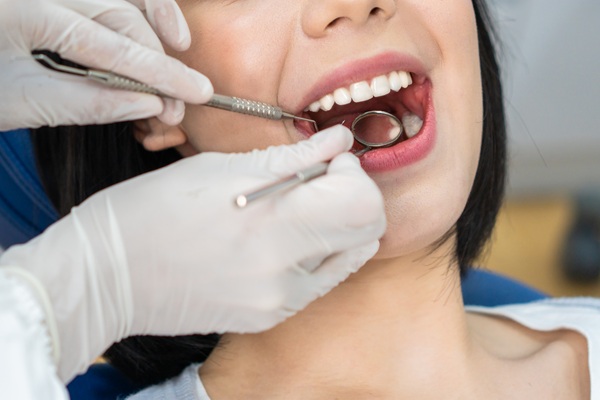
While damaging a dental filling can be painful and problematic, it is also manageable with the right steps. A dental filling can restore the structure of a tooth after decay or minor damage. However, fillings can sometimes chip, crack, or even fall out due to daily wear, biting on hard foods, or unexpected trauma. Proper management can prevent further complications and ease discomfort when a dental filling is damaged.
Evaluate the extent of the damage
The first step to managing a damaged dental filling is assessing the extent of the damage. It may be useful to check if the filling is partially dislodged, completely missing, or visibly cracked. In many cases, patients will be able to feel the rough edges or sharp surfaces in the affected area. In cases where pain or sensitivity to hot, cold, or pressure is present, the tooth may be exposed, indicating that immediate care is necessary.
In cases where pain or sensitivity to hot, cold, or pressure is present, the tooth may be exposed, indicating that immediate care is necessary. Patients should refrain from chewing on the side of the mouth where the dental filling is damaged to avoid aggravating the problem — this minimizes stress on the affected tooth, reducing the risk of additional breakage.
Keep the area clean and protected
When a dental filling is damaged, the tooth becomes more vulnerable to bacterial buildup, food particles, and possible infection. Rinsing the mouth with warm salt water helps cleanse the area, lowering the risk of bacteria settling in the exposed portion of the tooth. Patients can prepare a mild saltwater rinse by mixing half a teaspoon of salt in warm water. Swishing the solution gently around the affected tooth will help clean it while relieving sensitive gums.
Avoiding sugary foods, acidic drinks, or foods that can get trapped in the area of the damaged dental filling is also helpful. Sometimes, dental wax or a temporary dental repair kit can shield the area until professional care is received.
Manage pain and discomfort
Damage to a dental filling can sometimes lead to discomfort or heightened sensitivity. Over-the-counter pain relief options, such as acetaminophen or ibuprofen, can help manage mild pain or discomfort associated with a broken filling. Avoiding very hot, cold, or sugary foods and beverages prevents discomfort until the patient is able to seek professional dental care.
In some cases, desensitizing toothpaste can temporarily reduce the sensitivity around the damaged filling. It is essential to avoid placing aspirin or other pain-relief medications directly on the affected tooth or gums, as this can irritate the tissue and potentially worsen the discomfort.
Contact a general dentist promptly
Seeking prompt dental care is vital when a dental filling is damaged. A damaged filling leaves the tooth vulnerable to further decay, structural weakening, and infection. The affected tooth can be treated before complications develop by contacting a general dentist as soon as possible. A dentist will assess the tooth's condition and recommend the best course of action, which may involve a new filling, crown, or other restorative treatment, depending on the extent of the damage. It is important to inform the dental office of any specific symptoms, such as pain, swelling, or heightened sensitivity.
Know the common repair options
After evaluating the damaged dental filling, the dentist will determine the appropriate repair option. In many cases, replacing the filling may be sufficient to restore the tooth's structure and function. This involves removing any remaining filling material, cleaning the cavity, and placing a new filling. In cases where the tooth is weakened, or the damage is extensive, a general dentist may recommend a crown to provide added strength and protection.
Prevent future damage to dental fillings
While dental fillings are durable, they are not indestructible. Patients can prevent future damage by avoiding hard foods or objects, such as ice, candies, and pens. A balanced diet low in acidic and sugary foods can also support the longevity of dental fillings and oral health. Regular dental check-ups allow a general dentist to monitor the condition of existing fillings, detect any signs of wear, and make repairs if necessary.
Consult a general dentist
A damaged dental filling may seem alarming, but with the right approach, the situation can be managed effectively. A general dentist can provide the necessary treatment to repair or replace the damaged filling, ensuring the tooth is protected and functional. With proper care and preventive measures, dental fillings can continue to serve their purpose and maintain a healthy, pain-free smile. For more information, schedule a consultation visit today at Ohio Cosmetic Dentists.
To schedule a consultation, request an appointment on our website at https://www.ohiocosmeticdentists.com or call Ohio Cosmetic Dentists at (614) 503-5240 for an appointment in our Columbus office.
Check out what others are saying about our dental services on Yelp: Composite Fillings in Columbus, OH.
Recent Posts
If you need one or more teeth filled, composite fillings are a popular alternative to amalgam fillings. Before you make your decision, you may want to talk to your dentist about any questions you have.These are some of the more frequently asked questions about composite fillings.Composite fillings are made from a tooth-colored resin consisting of…
If you have cavities caused by tooth decay, composite fillings can be used to fill the hole, protect your teeth, and restore your smile. Many people prefer this option because it has a more natural appearance and does not create an eyesore. Others prefer them because they do not contain the same ingredients as traditional…
Each year, increasing numbers of dentists offer advanced tooth colored fillings in place of older metallic options. Still, many patients worry and wonder whether these matching fillings truly look more natural than other filling types. The answer is yes, provided they are initially done correctly and properly taken care of afterward.To see how less noticeable…
Composite fillings are a commonly used option for fixing a variety of problems with the teeth. Your dentist may give you the choice between composite fillings and various other materials to use for your teeth. Each option comes with slightly different parameters for how long the filling will last and what you will need to…