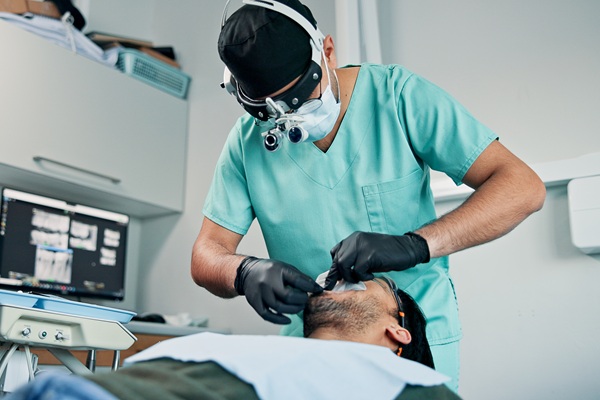
When gum tissue pulls away from the teeth, it can expose the roots and increase the risk of sensitivity, decay, and tooth loss. Fortunately, with a gum graft, a general or cosmetic dentist can rebuild the gum line. This not only restores the health of the smile but also enhances its aesthetics. Taking a deep dive into gum grafts, what they are, and what to expect can help you gain more clarity and confidence in the procedure.
What are gum grafts?
A gum graft is a dental procedure that restores lost or receded gum tissue. When the gum line recedes, it can expose the roots of the teeth, making them vulnerable to sensitivity, cavities, and structural damage. A gum graft works by covering these exposed areas with healthy tissue, thereby promoting gum regeneration and protecting the teeth.
This treatment, performed by either a general dentist or a cosmetic dentist, involves placing new soft tissue over areas of gum recession. The goal is to create a natural-looking gum line while strengthening the foundation around the affected teeth. Gum grafts are performed in-office, usually with local anesthesia for patient comfort. The entire procedure typically takes a single appointment. However, patients can expect a follow-up visit to monitor their healing progress.
Where are gum grafts sourced?
The tissue used in a gum graft can be sourced from one of several places, depending on the patient's needs and preferences. The dentist’s recommendation and gum graft availability also play a role. For instance, the most common source is the palate, or roof of the mouth. In this method, a small amount of tissue is taken from the inner layer of the palate and then grafted onto the area experiencing recession. (This is known as a connective tissue graft.) There needs to be enough tissue on the roof of the mouth for a patient to qualify.
Another option is a free gingival graft, where a thin layer of tissue is removed directly from the surface of the palate and applied to the affected area. This method is especially beneficial for thickening the gum tissue in areas that are particularly thin or vulnerable. More patients tend to qualify for this procedure, as it requires less tissue.
In some cases, donor tissue from a tissue bank may be used. Donors eliminate the need to harvest tissue from the mouth. These gum grafts may be donated human tissue (allografts) or animal tissue (xenografts). Both types are sterile and safe. Thus, they are ideal for patients who prefer a less invasive approach or require treatment in multiple areas.
Common reasons for a gum graft
Gum grafting is commonly recommended to treat gum recession, a condition that may develop gradually due to factors such as aging, aggressive brushing, genetics, or periodontal disease. Receding gums can expose the roots of the teeth, leading to sensitivity and weakening the support structures that keep teeth stable. In addition to its clinical purpose, gum grafting can also enhance the appearance of the smile by correcting uneven or visibly receded gum lines, resulting in a more balanced and healthy-looking appearance.
Beyond restoring lost tissue, gum grafts help protect the roots from harmful bacteria and reduce discomfort during eating or drinking. Many patients report increased confidence following the procedure, thanks to the improved gum contour. Gum grafts are also used in cases following orthodontic treatment or as part of a broader periodontal care plan. Whether addressing health concerns or aesthetic goals, gum grafting offers a reliable solution to various dental needs.
Diving into gum graft recovery and healing
Recovering from a gum graft is typically smooth when post-operative care instructions are followed closely. After the procedure, the area is likely to be tender or swollen. To promote healing, patients should eat a soft-food diet for several days after getting a gum graft. Over-the-counter pain relief medications may help with inflammation and discomfort, while antibiotics may be prescribed to prevent infection.
On average, it typically takes one to two weeks for the outer tissues to close and about four to six weeks for the graft to fully integrate. While the mouth is healing, avoid brushing the grafted area, using mouth rinses unless directed, and participating in any activities that could disturb the healing site. Regular follow-up visits ensure that healing progresses as expected and that the graft remains healthy and stable.
Need a gum graft?
Gum recession is common, but that does not mean it should be ignored. A general or cosmetic dentist can treat receding gums with a gum graft. If you think you could benefit or have been recommended one by another dentist, reach out to our Columbus team. We can assess your smile and gum health to determine whether a gum graft is the best next step.
Request an appointment here: https://www.ohiocosmeticdentists.com or call Ohio Cosmetic Dentists at (614) 503-5240 for an appointment in our Columbus office.
Check out what others are saying about our services on Yelp: Gum Graft in Columbus, OH.
Recent Posts
Studies reveal that the reasons for rushing to the emergency dentist are not clear. Many people drive to the clinic without a clear understanding of what a true dental emergency really is. Your general dentist can discuss this matter with you on your next visit. Understanding what qualifies as a dental emergency can prevent you…
It does not take much for a dental emergency to occur: For example, a baseball to the face during a weekend game can knock out a tooth, leaving you scrambling for an emergency dentist. This article examines the various methods that emergency dentists employ to provide prompt relief to patients experiencing severe dental injuries or…
No one ever plans for dental emergencies like infections, but an emergency dentist can be your first line of defense against oral bacteria looking to infect teeth, gum tissues, or your jawbone.Dental infections always require emergency dental care to prevent the infection from spreading to other parts of the body, such as the heart, where…
A missing tooth can be more than an aesthetic concern; it can significantly affect overall oral health. Beyond the visible gap, a missing tooth can cause a variety of dental issues that, if left untreated, can impact jawbone health and smile alignment. Addressing a missing tooth by consulting a general dentist helps restore appearance, function,…