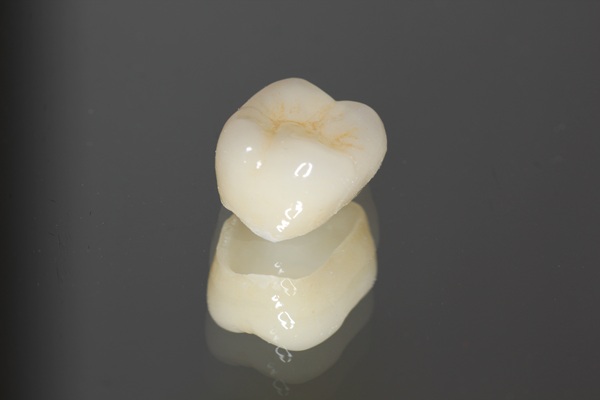
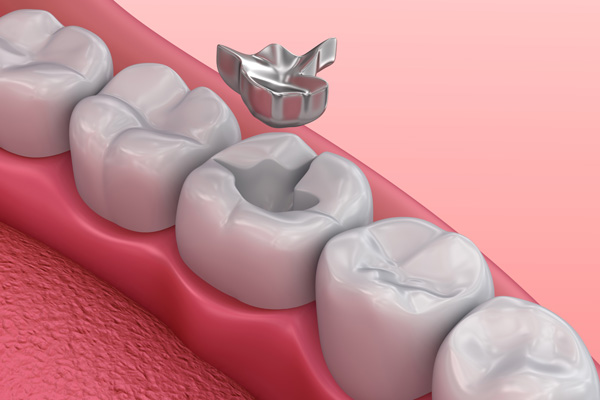
 Tooth colored fillings are used to fill in holes in the teeth caused by decay. Professionals mold the fillings out of composite resin. Once the dentist cleans the tooth's cavity, the dentist fills and closes off the hole with the filling. The fillings match a patient's natural teeth to ensure a normal-looking smile. Composite resin fillings may be strong enough to withhold bite pressure from the back molars.
Advancing technology for dental cavities
Your tooth's enamel is an extremely strong substance. The enamel protects your teeth, but when you eat sugar and starch, bacteria feed and create an acid that wears down the enamel. According to Colgate, about 85% to 90% of all adults have cavities. Additionally, about 60% to 90% of children have cavities.
Cavities refer to holes that form in the tooth. Without treatment, cavities can compromise the tooth's structure and lead to oral infection. To treat decay, dentists utilize fillings. Composite fillings are among the most popular.
The history of composite fillings
The first tooth colored fillings appeared in the 1960s. To make composites, professionals used tertiary amine and benzoyl peroxide. In the 1980s, the mixture became a mix of resin and glass ionomer. Through the 1990s and 2000s, hybrid composites began to improve on the old methods. Many patients began to prefer tooth colored fillings because they have a more natural appearance compared to silver ones.
The current filling technology
To create tooth colored fillings, a professional mixes acrylic resin, and powdered glass. The dentist removes the decay and layers the composite material. To harden or cure the material, dentists use a special light. Once complete, your dentist may grind the resin to fit the tooth and polish it. Composite resin fillings can restore most of the tooth's original strength.
The future of dental fillings
Dental filling technology continues to improve. One cavity treatment that patients may see in the future is resin infiltration. Professionals apply a product to the small spaces between the teeth to treat small cavities. Dentists press a gel between the tooth surfaces to prepare for resin. Next, the dentist places a plastic sheet between the teeth and fills the cavity by pushing resin through the sheet. Once caries absorb the resin, dentists can use a curing light to harden the material.
Another future filling technology is teeth regeneration. Scientists currently work with mice and rats to regrow teeth with a self-repair mechanism. The bioengineer behind the technology means to boost the tooth's natural healing ability by mobilizing stem cells in the dental pulp. Dentists would access a drug and inject it into the cavity as a gel. Once inside the cavity, dentists may cure it with ultraviolet light.
Conclusion
Dental technology never stops advancing. Throughout the decades, tooth colored fillings became more durable, natural-looking, and easier to care for. Dental advancements will continue to happen. Patients with cavities may continue to have more options available to them.
Request an appointment or call Ohio Cosmetic Dentists at 614-503-5240 for an appointment in our Columbus office.
Recent Posts
Fillings are the most common treatment used for cavities. Composite fillings are a type of filling that may also sometimes be used for treating broken, cracked, or worn teeth.Filling a tooth is a multi-step process:1. The dentist numbs the area around the tooth with a local anesthetic.2. The dentist uses an air abrasion instrument, drill,…
Composite fillings are made of plastic resin and glass particles mixed together. Your dentist may offer you composite dental fillings if they think you would benefit from them. You can ask your dentist for a composite filling, and if they do not think it would be of benefit to you, they will let you know…
Dental fillings are made from plastics, glass, metals, or other materials. Traditional and tooth colored fillings are used to close small holes in the teeth that are commonly caused by cavities. The dentist will extract decayed tissues and replace them with one of those materials. These dental fillings usually last for many years before the…