Bone Grafting for Dental Implant Placement
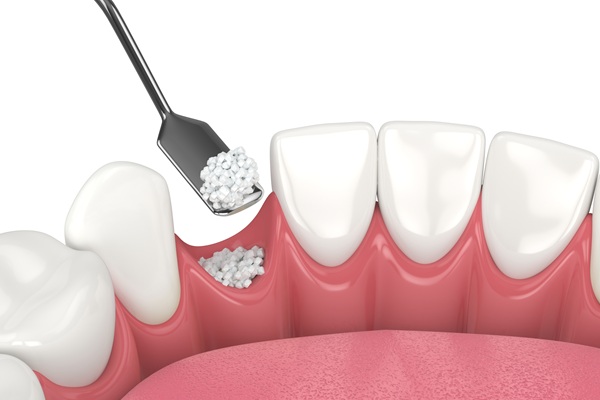
A bone grafting procedure involves the restoration of lost jawbone, which is necessary before dental implant placement if the patient does not have enough healthy jawbone to support the implant long-term. This review discusses dental bone grafting for the purpose of restoring lost jawbone ahead of dental implant placement.
Bone grafting before the placement of dental implants
Not every dental implants patient requires bone grafting before the placement of dental implants. During a consultation visit with a licensed dental professional that offers implant treatment, they can assess the condition of your jawbone health through the use of dental x-rays to determine if a bone graft procedure is necessary.
First things first: what is bone grafting for dental implant placement?
A bone grafting procedure, specifically a dental bone graft used ahead of a scheduled dental implant placement procedure, involves grafting bone material to the area above or below a missing tooth (or missing teeth) to ensure there is enough healthy bone to adequately support the implant(s). The procedure is considered to be a form of minor surgery, but complications are rare and the procedure is considered safe with minimal risks.
How do I know if a bone graft is necessary before dental implant placement?
Determining whether or not a bone graft procedure is necessary typically requires a professional evaluation of dental X-rays by a licensed dentist. In general, a bone graft is necessary before dental implant placement if a fair amount of jawbone has been lost either due to a more progressive form of periodontal disease (periodontitis) or atrophy that occurs after teeth loss. Not all dental implant patients require a bone graft procedure. Specifically, patients that have retained the majority of their natural jawbone after the loss of teeth are able to forego a bone graft procedure and proceed with the placement of dental implants.
What are the benefits of a bone grafting procedure?
As discussed, dental implants are permanently fixed inside of the jawbone, and each implant must go through a process that is known as osseointegration, in which the jawbone and implant fuse together. To ensure osseointegration and limit the risk of early implant failure, there must be an adequate level of healthy bone tissue inside of the jaw. A bone graft procedure helps ensure a long-term and stable positioning of the dental implants inside of the jaw.
Bone grafting is also safe and minimally invasive for patients. Although it is a form of oral surgery, the dental and surgical team can help ensure you have a good experience before and after the procedure. Due to effective and safe sedative options, patients do not feel anything in most cases during the procedure.
What takes place during a bone grafting procedure?
For a dental bone grafting procedure specifically, a piece of bone from another part of the patient’s jaw is taken and transplanted into the area it is needed (above or below one or more missing teeth). This type of bone graft is known as an autograft.
There are other ways of obtaining bone graft material that the dental professional may recommend as well. In some cases, particularly if the patient does not have enough healthy bone tissue in the chin or hard palate, then the donor tissue may be taken from the hip or shin.
Another type of bone graft is an allograft, which is donor bone tissue from another person. A xenograft may be available as well, which involves using donor tissue from an animal. All options are effective and safe.
How long does recovery take after bone grafting?
The patient must take good care of their oral health after a bone graft procedure to avoid any setbacks in the recovery process. The length of recovery varies. The initial side effects (pain, inflammation, etc.) should go away within a month, but it typically takes at least three months for the jawbone to completely heal. After healing takes place, the dental implant placement procedure can be scheduled.
Learn more about bone grafting and dental implant placement
The best way to get started with dental implants is to schedule a visit with our dental team. We have experience assisting patients throughout the dental implant process, from determining if bone grafting is necessary during a consultation visit to ensuring our patients love their new smile long-term after the attachment of their permanent teeth replacement restoration. During your first visit, we can help you put together a treatment plan that is complementary to your treatment goals, preferences, and schedule.
Request an appointment here: https://www.ohiocosmeticdentists.com or call Ohio Cosmetic Dentists at (614) 503-5240 for an appointment in our Columbus office.
Check out what others are saying about our services on Yelp: Bone Grafting in Columbus, OH.
Recent Posts
A gum graft procedure can be scary for many patients, but it is actually a relatively simple procedure that does not cause the patient too much discomfort. By having a better understanding of what to expect on the day of the operation, you can calm any nerves that exist before your gum graft procedure.Although each…
Even with healthy oral habits, you can find yourself in need of dental restoration. Tooth colored fillings allow dentists to provide their patients with more aesthetically pleasing results. Here are some details on using this option to repair dental cavities.Many modern patients want teeth to look natural when laughing or smiling. This is why tooth…
Composite fillings are among the most commonly used materials for restoring teeth affected by cavities or minor damage. These dental fillings repair damaged teeth and restore their function and appearance. While there are several types of fillings besides composite ones, patients may be unsure which one is right for them. Fortunately, a dentist can help.Composite…
Created with quartz or glass and using a resin medium, composite fillings are quickly becoming the go-to for many dental patients. The fillings restore functionality to broken teeth by allowing the patient to bite or chew without pain. In addition, because the fillings look like natural teeth, they may help with self-esteem in relation to…