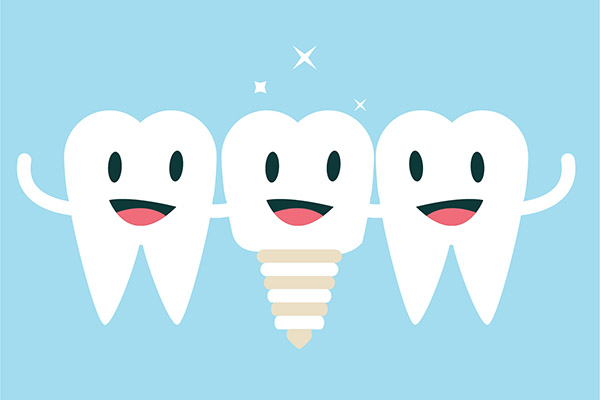
Implant dentistry includes the entire treatment implant process, from the consultation visit to providing aftercare and educational services to ensure the implants remain in good condition. The following review discusses how you can get the most out of your dental implants through good aftercare practices.
Implant dentistry FAQs: How to care for your dental implant restorations
You can care for your dental implant restoration by implementing a good oral care routine at home, reducing the impact of damage to the implants, natural teeth, and the gums through smart dietary choices, and avoiding dental trauma, along with regular implant dentistry check-ups and cleaning visits with the dentist.
What should my oral care routine look like with dental implants?
For the most part, patients are able to care for their dental implant restorations the same way they would natural teeth. Most notably, this includes a consistent daily oral care routine that involves brushing the entire mouth, flossing to remove food particles and plaque between teeth, and using mouthwash as directed to kill excess bacteria inside the mouth. Regular dental visits with the dentist are important every four to six months as well.
Are there any dietary restrictions with dental implants?
One of the benefits of dental implants is that they allow the patient to chew at an optimal level, so eating tougher foods is an option. However, it is always encouraged to protect teeth and gum health by limiting the consumption of carbohydrates (including sugar) and drinking water throughout the day to keep bacteria washed away.
How can I reduce the risk of dental trauma?
Dental trauma is one of the more common reasons for early complications with dental implants. It is important to take caution and do all that is possible to prevent dental trauma, primarily by wearing a mouthguard during physical activity (i.e. contact sports) and while sleeping at night if the person struggles with bruxism.
What can I do to prevent stains with dental implants?
Most implant dentistry restorations are able to resist stains well, but stains can still develop. To minimize the risk, it is encouraged to limit foods and drinks that could contribute to stains, such as tomato-based dishes and coffee. It is also encouraged to avoid smoking or tobacco products as well.
How long can I expect my dental implants to last?
Depending on the quality of the implant dentistry aftercare, dental implants can last as long as twenty years or more in many cases. The restorations (i.e., crown, bridge, or denture) may need repair or replacement before the implant.
Learn more about implant dentistry during a consultation visit
If you have questions about implant dentistry and want to find out if treatment is right for you, or if you have received dental implants in the past and need a check-up and cleaning visit or dental implant repair or replacement, call our dental office today. We can set up a convenient time for you to come in for a visit.
Request an appointment or call Ohio Cosmetic Dentists at 614-503-5240 for an appointment in our Columbus office.
Recent Posts
What are the best ways to care for your teeth? Here are some oral hygiene basics.Your teeth are essential to both comfort and health. For example, they are center stage when you smile and break up food when you eat. If you want to keep them sparkly and effective, you need to take good care…
Brushing and flossing teeth are critical oral hygiene basics that everyone should include in their care routines. Many people already know the proper procedures and benefits of brushing their teeth regularly, but flossing sometimes gets left out. In fact, according to U.S. News, only about 30% of the population in the United States flosses daily.…
Tooth decay happens when the enamel, or tooth surface, is damaged. You can use oral hygiene basics to prevent it. However, tooth decay is still one of the most common health problems in the world. The CDC reports that in the United States alone, more than 90% of adults have had cavities.Everyone has bacteria in…