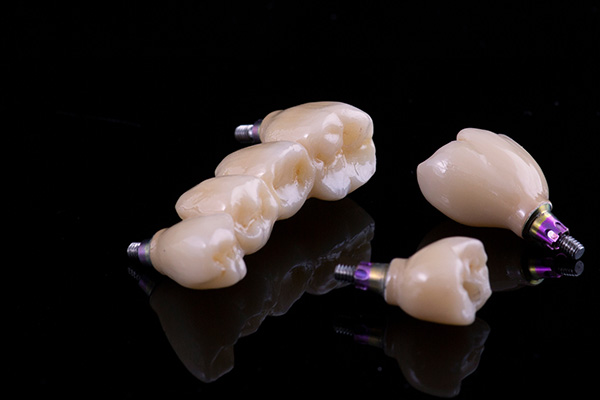
 Implant dentistry is growing in popularity due to the unique benefits that it offers over other alternatives for multiple teeth replacement. The most commonly recommended treatment options for implant dentistry when replacing more than one tooth are implant-supported bridges and implant-supported dentures.
Implant dentistry explained: What are my options for multiple missing teeth?
This review discusses the primary types of implant dentistry options for patients seeking teeth replacement and how to choose which option is right for you according to your treatment goals and preference. Of course, in addition to learning more about your options, discussing implant dentistry with a licensed dental professional can help you make an informed decision.
What are my implant dentistry options?
Implant dentistry involves the attachment of a dental restoration to one or more dental implants. Depending on the number and location of teeth that are being replaced, a dentist may recommend:
- An implant-supported crown
- An implant-supported bridge
- An implant-supported denture
Of course, an implant-supported crown is ideal for replacing a single tooth, whereas a bridge or a denture is the best solution for replacing multiple teeth. Specifically, an implant-supported bridge is best when replacing a section of missing teeth and an implant-supported denture is best for an entire row of teeth.
Choosing between an implant-supported bridge and denture
As mentioned, an implant-supported bridge is best when there is a small section of missing teeth that requires replacement. A partial denture can achieve a similar purpose, but there are notable differences between the two. An implant-supported bridge (or an implant-supported denture for full arch replacement) involves the use of dental implants, which are used to support the restoration. A traditional removable denture, however, rests upon and is supported by the gums, and it does not offer the same long-term benefits that implant dentistry can provide.
The implant dentistry process for multiple missing teeth
The implant dentistry process looks different for every patient. However, there are some more common steps that are involved in the process. The most notable steps that a patient can expect before beginning the treatment process include:
- A consultation visit
- A bone graft procedure
- The implants placement procedure
- The osseointegration process
- The placement of the implant restoration (the bridge or denture)
Some procedures, such as a bone graft procedure, are not required for all patients. It is best to discuss the specifics of each step with a licensed dentist as every patient has their own unique and personalized treatment plan. Overall, the implant dentistry process for replacing multiple missing teeth takes anywhere from four months to more than eight months. Subsequently, it is important to be patient throughout the process.
Implant dentistry can help you restore the beauty and function of your smile
Everyone should be able to show off an attractive smile that makes them feel confident. If you are not happy with the beauty or function of your smile due to one or multiple missing teeth, then contact our dental practice today to schedule an implant dentistry consultation.
Request an appointment or call Ohio Cosmetic Dentists at 614-503-5240 for an appointment in our Columbus office.
Recent Posts
Healthy teeth are a vital part of being able to eat and enjoy food, but certain foods can be more harmful to dental health than others. Learning about foods that help and hurt the teeth is an important part of oral hygiene basics that can be helpful in guiding the choices people make when caring…
What are the best ways to care for your teeth? Here are some oral hygiene basics.Your teeth are essential to both comfort and health. For example, they are center stage when you smile and break up food when you eat. If you want to keep them sparkly and effective, you need to take good care…
Brushing and flossing teeth are critical oral hygiene basics that everyone should include in their care routines. Many people already know the proper procedures and benefits of brushing their teeth regularly, but flossing sometimes gets left out. In fact, according to U.S. News, only about 30% of the population in the United States flosses daily.…