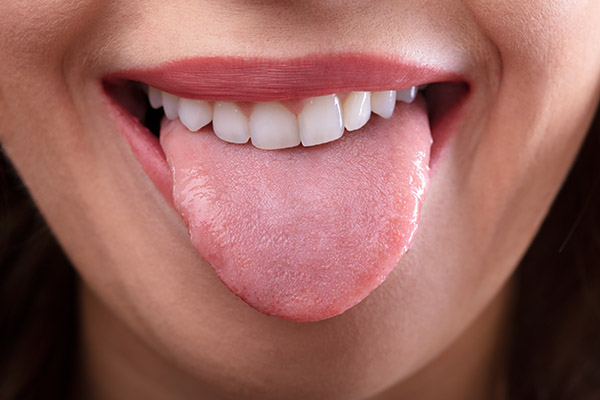
Brushing and flossing are essential oral hygiene basics that help prevent tooth decay and gum disease. While many people pay careful attention to their teeth and gums, the tongue is often neglected. However, this large surface of the mouth should also be cleaned on a daily basis. Doing so can help many people enjoy better oral health.
Why it is important to clean your tongue
The textured surface of the tongue allows it to collect and hold onto bacteria and small particles. Over time, these substances accumulate and form a multilayered biofilm on the tongue. Water alone is not enough to penetrate the biofilm and sweep away the bacteria within it. For these reasons, the tongue should be cleaned frequently.
Reduce bacterial growth
Bacteria buildup is rarely a good thing, especially in a person's mouth. The more bacteria that are present, the more likely it is that a patient can develop dental caries, oral infections, and other illnesses and diseases. Cleaning your tongue can help remove excessive bacteria and reduce these risks.
Control bad breath
Buildup on the tongue consists of more than just bacteria. Dead skin cells and food remnants can also collect here. This combination can cause bad breath, especially in the mornings. Scraping the tongue clean is one of the most effective ways to address bad breath.
Enjoy a fresher mouth
Many people find that thoroughly cleaning their tongues improves not just the smell of their mouths, but the taste and feel as well. Removing buildup from inside the mouth keeps the tongue smooth and fresh, resulting in a more pleasant feel overall. It can also help remove any repulsive flavors that result from old food particles or bacteria.
Tools and techniques for proper tongue cleaning
Swishing with water is not enough to remove the thick film from the surface of the tongue. Brushing or scraping are required for a thorough cleaning. However, just as with other oral hygiene basics, it is necessary to use proper tools and a gentle hand; otherwise, the soft skin could easily be damaged.
Brushing and scraping
Some people find it is easy to clean the tongue with a soft-bristled toothbrush. Adding this step to the end of every toothbrushing session can help control buildup. Even so, using a tongue scraper is usually more effective since it can cover the entire surface and remove the film in a single, sweeping motion.
Rinsing
While rinsing alone is not enough to remove the bacteria trapped against the tongue's surface, it can help sweep away newly loosened residue. Be sure to rinse thoroughly after brushing or tongue scraping. Using a mouthwash after these steps can also help ensure thorough cleaning by killing harmful bacteria that brushing or scraping may still leave behind.
Conclusion
Along with other oral hygiene basics, cleaning your tongue on a regular basis can help protect your teeth, gums, and the rest of your body. It can also freshen your breath and improve the overall feel of your mouth. Be sure to clean with care to avoid irritation or damage.
Request an appointment or call Ohio Cosmetic Dentists at 614-503-5240 for an appointment in our Columbus office.
Recent Posts
Are you exploring tooth replacement options? An implant restoration offers a durable and natural-looking solution to tooth loss. Implant restoration replaces one or more missing teeth by surgically embedding a titanium post into the jawbone and securing a dental crown, bridge, or denture on top. While this procedure provides long-term benefits, there are several factors…
Everyone learns oral hygiene basics when they are young, but some details get lost over time. For example, many adults are confused about what type of toothbrush to use. This simple tool comes in many different forms, including a variety of sizes and a range of bristle textures. You may wonder why there are so…
Teeth brushing is one of the most important oral hygiene basics, as it removes plaque from teeth. However, the toothbrush you use can impact how effective this practice is.To optimize toothbrushing, you need to find a brush that fits your needs. Fortunately, there are many options out there.When you first learned oral hygiene basics, you…