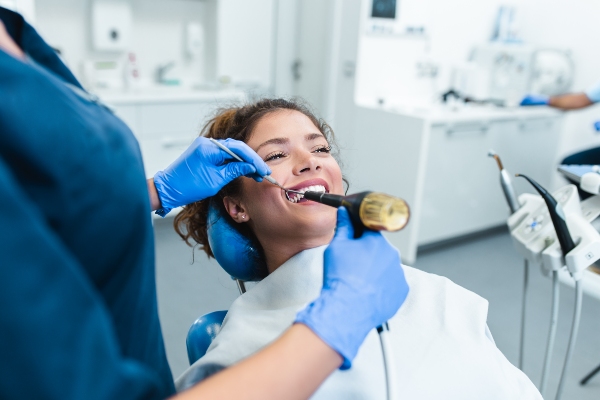
For healthy teeth and gums, routine dental care is necessary. For most healthy people, two times a year is the recommended frequency for dentist appointments. This is typically adequate for deeper cleaning and preventive care. However, for some patients, more frequent appointments are necessary to manage certain issues and to prevent problems from becoming more serious.
Purpose of routine appointments
Routine dental care should occur on a daily basis and include brushing and flossing. However, over time, plaque builds up, and regular brushing is not enough to get rid of it. One of the reasons to visit the dentist for a routine appointment is to give the teeth a thorough and deep cleaning and polishing. The patient may also get a fluoride treatment, sealants, or other preventive measure.
Along with ridding the mouth of unwanted bacteria and plaque, one purpose of routine appointments is to diagnose all dental issues so that treatment can begin before the problems become serious. During this visit, the dentist examines the teeth and gums. This helps identify cavities, gum disease, and other oral issues. The dentist may also take X-rays of the mouth and screen for oral cancer.
Factors that may call for more frequent routine dental care appointments
Although two times a year is enough for many patients, some factors indicate the need for more visits because they present a higher risk of developing problems in the mouth or gums.
Tobacco use
People who chew or smoke tobacco require additional routine visits. The use of tobacco not only stains the tongue and teeth, requiring more cleanings, but there is also a higher risk of getting oral cancer and gum disease.
Other medical conditions
Dental health is directly linked to other health conditions. Rheumatoid arthritis and diabetes increase the chances of gum disease. Diabetes also affects the immune system, as does HIV and AIDS. A weakened immune system decreases the body’s ability to fight infections, which increases the risk of oral problems such as dry mouth, canker sores, warts, and oral thrush. Frequent routine dental care visits are often associated with better overall health.
Pregnancy
During pregnancy, the body produces more hormones, which inflames the gums and results in gingivitis. If not managed, this can lead to gum disease, which may increase the risk of delivering a pre-term baby or one that is too small.
High gum disease risk
Even people who do not have underlying medical conditions may be at higher risk of developing gum disease. If the dentist diagnoses early stages of gum disease or there is excess tarter or plaque, there may be a recommendation for more frequent visits.
Conclusion
Preventing dental issues is much easier, less expensive, and less painful than fixing dental problems. Routine dental care visits are one of the most effective ways to prevent future issues and to catch oral problems before major dental work is needed. The general oral health, lifestyle, and other medical conditions of a patient determines how frequently they should visit the dentist.
Request an appointment or call Ohio Cosmetic Dentists at 614-503-5240 for an appointment in our Columbus office.
Recent Posts
Prioritizing routine dental care is necessary for good health. Unfortunately, some people can find it difficult to care properly for their teeth by brushing, flossing, and seeing a dentist on a regular basis. Patients who disregard dental hygiene and professional care need immediate action to prevent dangerous outcomes.In addition to an unsightly smile, failing to…
Maintaining routine dental care is important for oral and overall health, but many patients have questions about what it consists of beyond daily brushing and flossing. The right answers can help patients of any age understand the importance of providing optimum care for their teeth and the possible issues if they fail to follow through.…
Incorporating good habits into routine dental care on a daily basis can help teeth and gums stay as healthy as possible. Regular dental hygiene is associated with reduced plaque, fewer cavities, and less incidence of gum disease over a person's lifetime. Patients do not need to completely overhaul their oral health routines. Instead, implementing a…