Replacing a Missing Tooth: Why It Is Necessary and How We Can Help
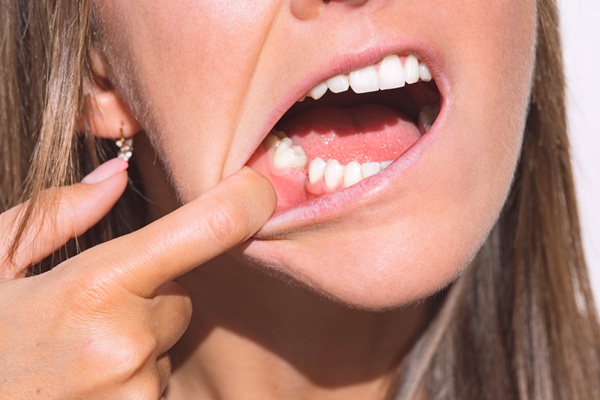
Replacing a missing tooth is essential for maintaining oral health, restoring functionality, and preserving aesthetics in a smile. However, a missing tooth can affect more than just aesthetics; it can lead to significant dental issues if left unaddressed. Understanding why tooth replacement is necessary and learning about available solutions helps patients become active participants in their care plans.
The importance of replacing a missing tooth
When one loses their tooth due to injury, decay, or extraction, they may initially worry primarily about their appearance, especially if the tooth is visible when smiling. This concern is understandable, but it is important to know that cosmetic concerns represent only part of the issue. Missing teeth leads to several oral health complications that can become progressively serious.
Adjacent teeth often begin shifting into the empty space, creating misalignment that affects overall bite stability. Teeth that drift out of position may become difficult to clean thoroughly, promoting plaque buildup and increasing the risk of tooth decay or gum disease. Uneven alignment may also lead to bite imbalances, placing excessive strain on other teeth and the jaw joint. This additional stress can cause discomfort and long-term conditions such as temporomandibular joint disorder (TMJ).
Further, tooth roots naturally stimulate the jawbone through chewing, maintaining healthy bone density. Without this stimulation, the bone surrounding the missing tooth gradually deteriorates. Bone loss complicates tooth replacement procedures in the future and affects the facial structure, sometimes causing a prematurely aged appearance. Promptly replacing the missing tooth minimizes these risks and preserves overall oral health.
The role of a general dentist
General dentists are vital in guiding patients through the process of tooth replacement. Initial consultations, even if patients frequent the practice, are necessary. They commonly include a thorough examination, diagnostic imaging, and personalized discussions regarding patient concerns, treatment preferences, and long-term expectations. Dentists ensure patients understand each option clearly, discussing advantages and considerations openly to facilitate informed decisions and allowing patients to advocate for themselves.
Once patients select their preferred replacement, the dentist plans and carries out the necessary procedures. Additionally, general dentists can continue to provide ongoing preventative care, such as routine checkups and cleanings, to support oral health and extend the life of replacement teeth.
Available tooth replacement options
As mentioned, there are multiple options to replace a missing tooth. This is because, while all options are custom-made to fit the patient's mouth, there is no one-size-fits-all approach for all dental states and lifestyles. Here are three of the most common tooth replacement options the dentist will consider:
Dental bridge
Bridges involve placing a custom-made prosthetic tooth anchored securely between two existing natural teeth covered by dental crowns. These adjacent teeth act as supports, and the bridge fills the space seamlessly. Bridges restore normal bite function, prevent neighboring teeth from shifting, and provide a natural aesthetic.
Further, dental bridges do not require surgical placement, allowing the dentist to place them in two appointments. The first involves the dentist preparing the adjacent teeth and getting the appropriate measurements of the space and teeth. They then send this information to an off-site lab for dental bridge fabrication. It is during the second appointment—approximately two weeks later— that the dentist will bond the bridge into place. While bridges do not stimulate the jawbone, they remain an effective and reliable solution for many patients.
Partial denture
Partial dentures provide yet another practical approach to tooth replacement. Removable partial dentures consist of a framework designed to hold prosthetic teeth within the mouth securely. They fill spaces created by one or more missing teeth, allowing patients to eat and speak comfortably while enhancing their appearance.
Partial dentures are another affordable and flexible option, making them suitable for patients seeking a less invasive or temporary solution. Although dentures require periodic adjustments to ensure optimal fit and comfort, they can greatly improve the quality of life and functionality of those with missing teeth.
Dental implant
A dental implant may be the most popular and stable tooth replacement option today. Implants represent a highly reliable and durable solution, consisting of a titanium post that the dentist must surgically place into the jawbone. This post will serve as artificial tooth roots, effectively stimulating the jawbone and preventing deterioration. On top of the post sits an abutment, which juts out from the gum tissue and acts as an anchor for a crown, bridge, or denture.
Dental implants, while they involve more appointments and surgeries, closely replicate the feel, strength, and aesthetics of natural teeth, making them popular among patients. With proper care and regular dental visits, implants can last a lifetime, with the restorations lasting decades.
Replace your missing tooth at Ohio Cosmetic Dentists
Whether or not your missing tooth is visible, replacing it is of the utmost importance. Contact Ohio Cosmetic Dentists and schedule an appointment to learn your tooth replacement options. We can evaluate your condition and discuss the most appropriate solutions.
Request an appointment here: https://www.ohiocosmeticdentists.com or call Ohio Cosmetic Dentists at (614) 503-5240 for an appointment in our Columbus office.
Check out what others are saying about our dental services on Yelp: Options For Replacing Missing Teeth in Columbus, OH.
Recent Posts
A missing tooth can be more than an aesthetic concern; it can significantly affect overall oral health. Beyond the visible gap, a missing tooth can cause a variety of dental issues that, if left untreated, can impact jawbone health and smile alignment. Addressing a missing tooth by consulting a general dentist helps restore appearance, function,…
Though a seemingly small problem to some, just a single missing tooth disrupts the alignment of your smile and can lead to bone loss and difficulties with chewing. Fortunately, modern dentistry offers several effective single-tooth replacement options. Knowing these options and the type of tooth replacement that suits you can help you make an informed…
There are many options for replacing missing teeth, but how can replacing missing teeth help your oral health? Replacing missing teeth is the best way to prevent tooth decay, gum disease, and jawbone deterioration. Options for replacing missing teeth are dental implants, dentures, or dental bridges. Choosing which option will work best for you depends…
Nobody wants to be searching for options for replacing missing teeth, but it’s good to be prepared just in case. Not only is a missing tooth an eyesore, but there is usually an underlying reason behind it. Mouth diseases such as gingivitis or accidents are generally the most likely culprits for losing a tooth. No…