Root Canal Treatment: What to Expect and How It Saves Your Smile
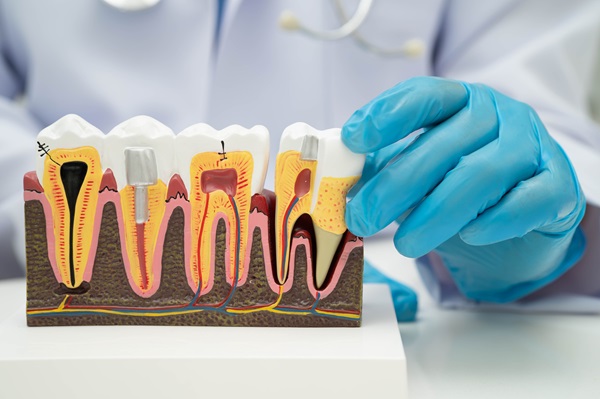
A root canal is a common dental procedure designed to save an infected or severely decayed tooth. Despite common misconceptions, it is not a painful or complicated procedure. Rather, it is a routine treatment that effectively relieves pain and protects your natural teeth.
What is a root canal?
A root canal is a treatment used to repair and save a tooth that has suffered from deep decay, trauma, or infection in the inner part of the tooth, known as the pulp. The pulp houses nerves, blood vessels, and connective tissue. When it becomes infected, it can lead to severe pain and swelling. If left untreated, an infected pulp can cause abscesses, underlying bone damage, and even spread to other parts of the body.
Benefits of a root canal
A root canal offers numerous benefits, primarily by saving the natural tooth and preventing the need for extraction. Losing a tooth can lead to a range of issues, including difficulty chewing, shifting of surrounding teeth, and bone loss in the jaw. By preserving the tooth's structure, a root canal helps maintain proper alignment and prevents complications that may arise from missing teeth. Moreover, infected or damaged pulp can cause intense discomfort, making it difficult to eat, sleep, or perform daily activities. By removing the source of the infection, a root canal provides lasting pain relief, restores comfort, and removes the risk of the infection spreading to other parts of the body.
Signs a root canal is necessary
Several signs indicate the need for a root canal, although only a dental examination from a general dentist can confirm the diagnosis. Some common symptoms include:
- Persistent toothache, especially when chewing or applying pressure
- Sensitivity to hot and cold temperatures, even after the source is removed
- Darkening or discoloration of the tooth
- Swelling or tenderness in nearby gums
- A recurring or persistent pimple on the gums, which can indicate an abscess
If one is experiencing any of these symptoms, it is essential to promptly seek a general dentist. Early treatment with a root canal can prevent further complications and protect the natural tooth from extraction.
What happens during a root canal
Typically, once the dentist decides a root canal is necessary, they will want to move quickly to prevent the spread of the infection and halt the patient's pain. Note this may mean an appointment is scheduled in addition to the initial consultation. Nevertheless, the following steps will ensue during the procedure:
- Step one. To ensure the patient feels no pain during the procedure, the dentist will employ an anesthetic.
- Step two. The dentist will open the top of the target tooth to access the pulp chamber.
- Step three. Using specialized tools, the dentist will remove the infected or damaged contents of the pulp chamber.
- Step four. The dentist will check for additional or hidden canals before disinfecting the root canals and pulp chamber.
- Step five. After disinfecting, the dentist will shape the canals and fill them with a biocompatible material called gutta-percha to seal the area from bacteria.
- Step six. Once the gutta percha hardens, the dentist will take measurements, a mold, or 3D images of the tooth for the creation of the custom crown.
- Step seven. Finally, the dentist will place a temporary crown over the recently treated tooth to protect it while the permanent crown is fabricated in an outside lab.
Note that fabrication and return of the custom crown will take approximately two weeks, after which the patient will return and have it bonded. Therefore, patients must ensure the natural tooth remains intact underneath the temporary crown during recovery.
Recovery after a root canal
Patients can recover relatively quickly, within a day or two. Depending on their profession, some patients choose to return to work the same day. However, others choose to return home for rest, as the anesthetic will linger for a few hours after the procedure, potentially causing speech changes and difficulties eating and drinking.
Further, patients may experience mild soreness and sensitivity once the anesthetic wears off. Both side effects can be managed with over-the-counter pain relievers and a cold compress. Depending on how many teeth were treated, the dentist may prescribe medication for extra strength.
Maintaining proper oral hygiene is essential after a root canal. Brushing twice daily, flossing, and attending regular dental check-ups will help protect the treated tooth and ensure long-lasting results. Avoiding hard or sticky foods can also prevent unnecessary stress on the restored tooth.
Schedule an appointment
A root canal treatment can not only relieve pain but mitigate the risk of infection spreading and wreaking havoc on the entire mouth. If you have been recommended for this treatment or are experiencing an infection or pain, contact Ohio Cosmetic Dentists. Our dentist will determine if a root canal is an effective course of action for you.
Request an appointment here: https://www.ohiocosmeticdentists.com or call Ohio Cosmetic Dentists at (614) 503-5240 for an appointment in our Columbus office.
Check out what others are saying about our dental services on Yelp: Root Canal Treatment in Columbus, OH.
Recent Posts
Finding out that you need a root canal can be terrifying. This procedure has always been seen in a negative way. In truth, this treatment can restore your dental health. Here are the details on how a root canal can prevent tooth loss.The dentist will remove the inflamed or infected pulp material from its chamber.…
Root canal therapy is a procedure that allows dentists to save severely decayed, damaged, or infected teeth. The root canal procedure involves going to the pulp chamber of a tooth to remove the nerves, blood vessels, and connective tissues there. This brings an end to infections and protects against them. It also stops any pain…
Root canal therapy is done to get rid of infections and save a tooth from removal. Patients need to prepare adequately if the dentist has recommended the procedure because this can help improve the chances of a successful outcome. Continue reading to discover tips that will help you prepare for an upcoming root canal treatment.Before…
A preventive dentist is a trusted partner in maintaining your oral health and preventing serious dental issues before they occur. This dental professional emphasizes regular care and education, supporting long-term wellness and reducing the need for extensive procedures. As the cornerstone of modern dental care, preventive dentistry underscores early detection, regular visits, and informed patients.A…