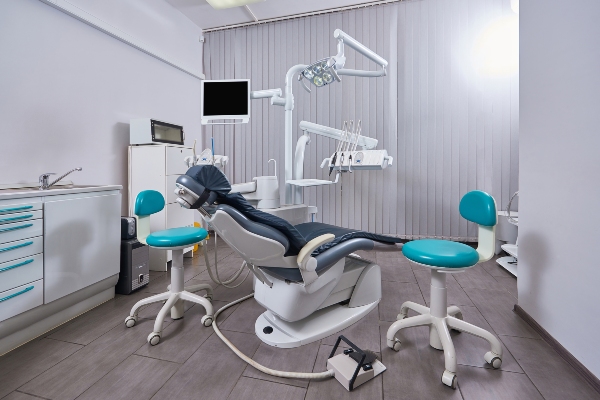
The Process of a Gum Graft Explained

A gum graft procedure can be scary for many patients, but it is actually a relatively simple procedure that does not cause the patient too much discomfort. By having a better understanding of what to expect on the day of the operation, you can calm any nerves that exist before your gum graft procedure.
How a gum graft procedure works
Although each gum graft procedure is unique for each patient, the process is similar in most instances. The following is a general idea of what can be expected before, during and after a gum graft procedure.
Evaluation and recommendation
The first step towards receiving a gum graft is to schedule an appointment with a dentist, who can conduct a thorough evaluation of the patient’s mouth and recommend whether or not a gum graft is a viable option. If the patient has experienced gum recession or has cosmetic issues with their natural gum line, then a gum graft may be a good option. After the evaluation and recommendation, if both the dentist and patient agree to treatment, a day and time can be scheduled for the procedure.
The gum graft procedure
There are different types of gum graft procedures, and the steps of the procedure are dependent on the type of gum graft the patient needs. The three main types of gum graft include:
- Free gingival graft
- Connective tissue graft
- Pedicle graft
Each type of gum graft is a surgical procedure, so a local or general anesthetic is applied, and the patient does not feel any pain throughout the process. Although each type of procedure is different, a gum graft most often involves removing gum tissue from the roof of the mouth and implanting it in the area where the gums have receded.
Gum graft aftercare
Most patients can go home within several hours after the procedure, and a full recovery normally happens within two weeks of the gum graft operation. However, it is essential to avoid irritating the affected area during this period, which may involve utilizing mouthwash more than brushing to keep the mouth clean, avoiding certain foods and not placing any pressure on the affected area. Patients should also talk to their dentist about effective ways of managing the pain for the first few days following surgery. The dentist can recommend the best form of pain relief medication to take during recovery. Lastly, be sure to plan for proper rest and avoid intense physical activity for the first few days after the gum graft procedure.
Talk to a dentist about the gum graft process
Going through the gum graft process can be nerve-wracking, and it can be helpful to talk to a dentist about the process. If you are considering a gum graft procedure and want to find a dentist that is able to answer all of your questions and guide you through the entire process, then consult with us today and schedule a time to come in for an initial consultation. Call now to find out how we can help you before, during and after the gum graft surgery.
Request an appointment here: https://www.ohiocosmeticdentists.com or call Ohio Cosmetic Dentists at (614) 503-5240 for an appointment in our Columbus office.
Check out what others are saying about our services on Yelp: Read our Yelp reviews.
Recent Posts
Wondering when to see an emergency dentist? Read on to learn more. Tooth pain can be annoying. In many cases, it is the body's way of indicating that something significant is happening beneath the surface. Patients need to visit the emergency dentist as soon as possible to determine the cause of the issue. Delaying treatment…
Studies reveal that the reasons for rushing to the emergency dentist are not clear. Many people drive to the clinic without a clear understanding of what a true dental emergency really is. Your general dentist can discuss this matter with you on your next visit. Understanding what qualifies as a dental emergency can prevent you…
It does not take much for a dental emergency to occur: For example, a baseball to the face during a weekend game can knock out a tooth, leaving you scrambling for an emergency dentist. This article examines the various methods that emergency dentists employ to provide prompt relief to patients experiencing severe dental injuries or…
No one ever plans for dental emergencies like infections, but an emergency dentist can be your first line of defense against oral bacteria looking to infect teeth, gum tissues, or your jawbone.Dental infections always require emergency dental care to prevent the infection from spreading to other parts of the body, such as the heart, where…